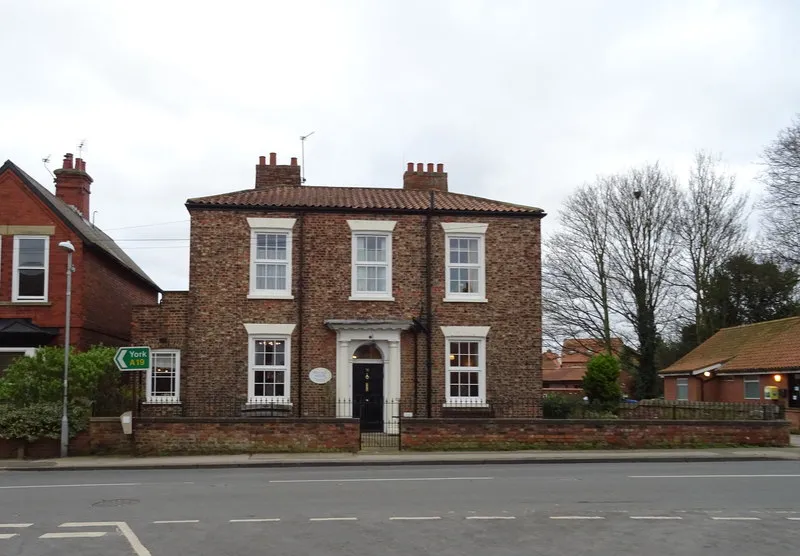
The Parish Claim in the Deeds: Chancel Repair Liability Checks for 2026 Buyers
Photo: Robin Webster , CC BY-SA 2.0, via Wikimedia Commons
Chancel repair liability is one of the more uncomfortable phrases a buyer can encounter in a conveyancing pack. It sounds medieval because, in origin, it is. Yet it can still affect modern homes in England and Wales, and it can surface late enough to unsettle an otherwise straightforward purchase. The practical question for 2026 buyers is not whether the liability is ancient, but whether it attaches to the property in question and whether the title file deals with it clearly.
What the liability actually is
A chancel repair liability is an obligation to contribute towards the repair of a parish church chancel. It does not fall on every household within a parish boundary, nor is it a general church tax. Historically, the liability attached to land that had once been rectorial land — land whose owner had received the rectorial tithes. Where that historical connection survives, the owner of the land may be liable for a share of chancel repairs. In some cases the liability can be joint and several, which means a single owner could be pursued for the whole sum before recovering contributions from others.
The Church of England is the usual context in England, but the position in Wales requires separate advice because the church and legal history differ. For a buyer, the key point is that the liability is a property burden, not a personal quirk of the seller. It can run with the land unless the title has been cleaned or the liability has been extinguished by the passage of time and registration rules.
Why it can appear late
The standard local authority search is not designed to answer the chancel question. The LLC1 and CON29 forms deal with planning, highways, environmental and other local land charges; they do not routinely reveal a chancel repair liability. A buyer can therefore receive a clean local search result and still face a question over the title.
There are three common routes by which the issue emerges. First, a Land Registry notice may appear in the charges register of a registered title. Second, the property may be unregistered, in which case the historical deeds and documents carry more weight and may need closer reading. Third, a specialist chancel repair search may identify the property as lying within a historical parish or on former rectorial land, prompting further investigation.
Since 13 October 2013, the registration regime has changed the practical risk for registered land. Chancel repair liability ceased to be an overriding interest, and for a registered estate to be bound, a purchaser for value generally needs to see protection by notice on the register. That change reduced the number of unpleasant surprises, but it did not abolish the liability. Unregistered land, incomplete title files and pre-existing notices can still keep the issue alive. A buyer should not assume that the absence of a notice is the end of the matter without legal confirmation.
Reading the title and the search results
When a chancel repair search is commissioned, the result may be clear, inconclusive or positive. A positive result does not automatically mean a demand will follow; it means the historical evidence points to a possible liability. The search provider will typically rely on tithe maps, parish boundary records and historical ownership material. Those records can be imperfect, so the result should be read alongside the title and the solicitor's advice rather than treated as a simple yes or no.
If a Land Registry notice exists, the buyer should ask what it protects, when it was registered and whether it has been challenged. If the property is unregistered, the seller should be asked for the full deed bundle and any evidence of a release, disclaimer or historic arrangement. A seller's statement that no demand has ever been received is useful but not conclusive; liability can pass to a new owner without a prior demand having been made.
Insurance and negotiation
Chancel repair indemnity insurance is available and is often considered where a search reveals a possible exposure or where the title is unclear. Premiums can be modest, but the cover is not uniform. Policies commonly exclude known demands, may require a satisfactory search, and can impose limits on the sum insured or the period of cover. If a notice is already registered, insurance may be unavailable or heavily restricted. A policy is a risk-transfer tool, not a substitute for a legal assessment of the title.
In some transactions the seller may agree to obtain a policy, provide a retention or adjust the price. In others, the buyer may accept the risk after advice. The important discipline is to deal with the point before exchange, when the buyer still has negotiating leverage and the ability to walk away.
Questions to put to a solicitor
A buyer should ask whether a specialist chancel repair search has been commissioned, whether the title is registered or unregistered, and whether any notice appears in the charges register. It is also worth asking whether the insurer will cover the property on standard terms, whether any historic demand is known, and what evidence the seller holds about the parish or former rectorial land. If the property is near a parish boundary, the buyer should ask for the boundary evidence to be checked rather than assumed.
At Trident House, the practical view is that chancel repair liability belongs in the same category as other quiet title risks: rare, sometimes overstated, but unwise to ignore. A clean local search is not the answer. A clear title file, a targeted search and a solicitor's reasoned opinion are. For a 2026 purchase, that sequence is proportionate, inexpensive relative to the asset and far preferable to discovering the parish claim after completion.