Shared Walls, Separate Liabilities: The Party Wall File Every UK Buyer Should Request in 2026
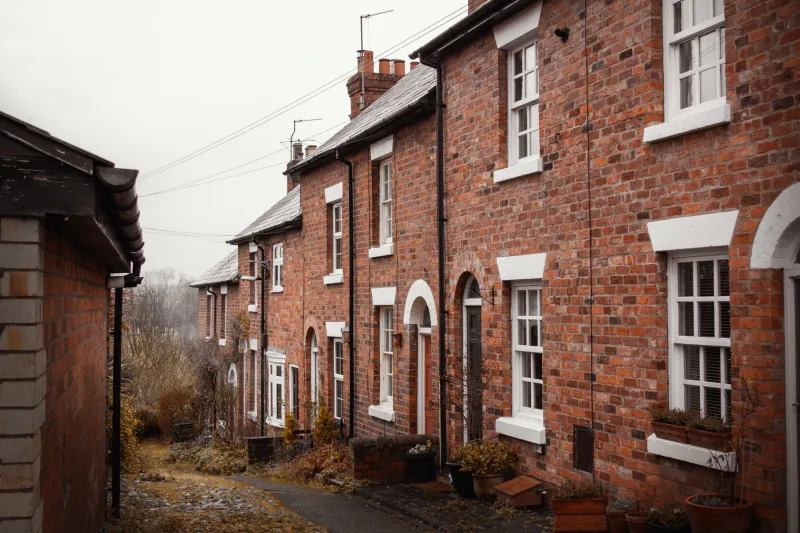
Most buyers look at a shared wall and see only decoration. They notice the paint, the plaster or the position of a sofa, but not the legal and structural relationship behind it. In a terrace, semi-detached house or flat conversion, however, that wall may be a party wall, a party structure or simply a boundary wall. The distinction matters because it shapes what a seller should be able to document, what a surveyor should examine and what a buyer should ask before exchange in 2026.
Begin With the Correct Label
In England and Wales, the Party Wall etc. Act 1996 provides the statutory framework for certain works affecting shared walls and structures. A party wall is generally a wall that stands on the land of two owners, or a wall that separates buildings and is used by both owners. A party structure is the broader term used in the legislation and can include a wall, floor or ceiling that separates flats or other parts of a building in separate ownership. A boundary wall, by contrast, may mark the edge of land without being shared in the same statutory sense.
The label is not academic. A lean-to conservatory against a boundary wall raises different questions from the removal of a chimney breast in a party wall. A loft conversion in a semi-detached house may require a party structure notice if it involves cutting into the shared wall, inserting beams or raising the party wall. A basement excavation nearby can trigger adjacent excavation provisions even where no shared wall is touched. Buyers should also remember that Scotland and Northern Ireland have their own arrangements, so advice should be jurisdiction-specific.
The Paper Trail: What to Request Before Exchange
The first prong of the check is documentary. Ask the seller, through their solicitor, for copies of any party wall notices, awards, letters of consent and accompanying drawings relating to the property and any adjoining property. For leasehold flats, request the management pack and the lease, and check whether alterations required landlord consent or a licence to alter. For freehold terraces and semis, ask whether the seller has retained correspondence with neighbours about works to the shared wall, roof, chimney or foundations.
An award is particularly important. It is not the same as planning permission. A party wall award usually records the surveyors appointed, the condition of the adjoining property before works begin, the proposed method of working, access arrangements and any schedule of condition. It may also address making good and dispute resolution. A buyer should ask whether the award was fully implemented, whether any conditions remain outstanding and whether the works were signed off by building control where required.
Local authority searches can add useful context. Planning history may reveal an extension, loft conversion or basement project, while building control records may show whether works were regularised. Original drawings, structural calculations and guarantees are also worth requesting. If the seller cannot produce a coherent file for works that are visibly recent, that absence is itself a question to resolve.
Physical Evidence: Reading the Fabric of the Building
The second prong is the physical inspection. A chartered surveyor should look beyond cosmetic finishes for signs of structural alteration near shared walls. These may include new steel beams, padstones, bolted plates, resin anchors, widened openings, removed chimney breasts, inserted damp-proof courses, tie bars and patched brickwork. Diagonal or stepped cracking, particularly near openings and wall junctions, deserves closer attention, as does uneven plaster that may conceal a previous opening.
In flats, the party structure may include floors and ceilings, so evidence of new acoustic separation, altered floor levels or service penetrations should be considered alongside the lease and any licence to alter. In houses, the roof space and cellar or lower ground floor can reveal earlier works that are not obvious from the main rooms. A neat finish is not proof of compliance; it may simply be a good cover-up. The practical point is to match what is visible with what is documented, and to ask a structural specialist to comment where the two do not align.
The Neighbour Conversation: Questions That Earn Their Place
The third prong is a conversation with adjoining owners, conducted politely and recorded in writing where possible. Ask whether any party wall notices were served, whether an award was made, whether works are ongoing and whether there have been disputes, leaks or cracking since the work was completed. Neighbours may not have a complete file, and their account should not be treated as a substitute for legal advice, but their answers can reveal whether a seller's paperwork is incomplete.
For flat conversions, speak to the managing agent and, where appropriate, other leaseholders. Ask whether alterations required consent and whether any disputes remain unresolved. If a neighbour is uncooperative, the managing agent, local authority or a specialist party wall surveyor may be able to clarify the position. Silence from a neighbour is not reassurance; it is simply an unanswered question.
When the File Is Thin
A thin file does not automatically mean a defective property, but it does call for a measured response. A party wall indemnity policy is sometimes offered, yet such policies are not a universal solution and should be reviewed by a solicitor. They may address certain losses but will not resolve an ongoing dispute, an unsafe structure or a breach of lease. Where works are recent or ongoing, a specialist party wall surveyor can review the award, the schedule of condition and the risk to the buyer.
At Trident House, the sensible approach is sequential: review the title and lease, raise enquiries, commission a survey, check local authority records, speak to neighbours and obtain specialist advice where red flags appear. That sequence is especially important before exchange, when the buyer still has room to negotiate, delay or withdraw. A shared wall is not merely a feature of the building; it is a relationship with a paper trail. Reading that trail carefully is part of buying well in 2026.